
Wills and Trusts Services in Broward County, Florida
Smart estate planning helps local families protect wealth, sort out inheritance wishes, and feel totally ready.
Last Will and Testament Drafting in Broward County, Florida
Your attorney writes wills, chooses beneficiaries, picks representatives, and handles guardianship stuff.
Revocable Living Trust Creation in Broward County, Florida
Living trusts make asset management flexible, allowing quick lifetime updates and smoother property transfers later.
Irrevocable Trust Planning in Broward County, Florida
These specific setups handle asset protection, charity goals, special needs, and structured beneficiary distributions nicely.
Testamentary Trust Setup in Broward County, Florida
This type of trust manages inherited money for kids or anyone needing extra financial supervision.
Asset Protection Planning Through Trusts in Broward County, Florida
Trust-based planning looks at ownership, risks, and goals to keep everything completely secure long term.
Why You Need a Wills and Trusts Lawyer in Broward County, Florida
A wills & trusts lawyer in Davie creates Florida-specific strategies protecting your legacy, family, and legal requirements.
Avoiding Probate Through Proper Planning in Broward County, Florida
Proper planning helps assets pass outside probate through beneficiary designations, ownership structures, and trusts.
Protecting Family Assets and Beneficiaries in Broward County, Florida
A lawyer creates clear instructions, selects fiduciaries, and defines distributions protecting beneficiaries and family assets.
Reducing Future Legal Disputes in Broward County, Florida
Carefully worded documents and planning conversations reduce confusion, clarify responsibilities, and help prevent disputes.
Ensuring Compliance With Florida Estate Laws
A lawyer ensures estate planning complies with Florida laws, beneficiary rights, and evolving legal statutes.
Wills and Trust Planning Process in Broward County, Florida
Getting wills and trusts right takes careful reviews, custom drafting, proper signing, and expert guidance.
Initial Consultation and Estate Review in Broward County, Florida
A Broward County wills and trusts attorney looks over family situations, money matters, old paperwork, and big goals.
Identifying Assets and Beneficiaries in Broward County, Florida
Your lawyer checks bank accounts, real estate, businesses, and personal stuff to spot inheritance needs.
Drafting Will and Trust Documents in Broward County, Florida
A wills & trusts lawyer in Broward County writes up legal documents covering your exact wishes and future distributions.
Legal Review and Final Execution in Broward County, Florida
Your attorney double-checks everything, handles official signing rules, fixes account titles, and funds trusts.
Updating Estate Plans Over Time in Broward County, Florida
Your lawyer modifies the paperwork whenever big life events, new assets, or laws change.
Common Estate Planning Tools in Broward County, Florida
An effective estate plan is one which takes into account medical decisions, financial authority and minor children. It also helps families in Broward County
and helps them protect everything that is important to them.
Living Wills and Advance Directives in Broward County, Florida
Living wills and advance directives record treatment preferences and give loved ones and healthcare providers guidance when you cannot communicate decisions.
Power of Attorney Documents in Broward County, Florida
A durable power of attorney can authorize a trusted agent to handle financial and legal matters when you cannot act.
Healthcare Surrogates in Broward County, Florida
A healthcare surrogate designation appoints someone to make health decisions or receive health information in accordance with your stated instructions.
Guardianship Planning for Minors in Broward County, Florida
Naming a guardian in your estate plan helps communicate who should care for minor children if parents cannot do so.
How a Wills and Trusts Attorney
in Broward County Can Help
A wills and trusts attorney in Broward County helps clients make informed estate planning decisions,
protect assets, and prepare documents that support family security under Florida law.
Drafting Legally Valid Estate Documents in Broward County, Florida
An attorney in South Florida prepares wills, trusts, and related estate planning documents in accordance with Florida legal requirements and execution formalities.
Structuring Trusts for Asset Protection in Broward County, Florida
A lawyer can design trust terms that protect assets, control distributions, and support beneficiaries responsibly.
Minimizing Probate Court Involvement in Broward County, Florida
An attorney can explain which assets may avoid probate through proper trust funding and beneficiary planning while helping simplify future estate administration.
Ensuring Proper Distribution of Assets in Broward County, Florida
A wills & trusts lawyer in Broward County can draft clear distribution instructions, coordinate beneficiary designations, and select fiduciaries to ensure proper distribution of assets.
Benefits of Wills and Trust Planning in Broward County, Florida
Structured estate planning gives families in Broward County a practical way to protect property,
communicate intentions, and prepare loved ones for future responsibilities.
Protecting Family Wealth in Broward County, Florida
A carefully designed plan can preserve family wealth, coordinate ownership decisions, and support responsible management for future generations and beneficiaries.
Avoiding Probate Delays in Broward County, Florida
Proper estate planning can allow certain assets to transfer outside probate when Florida law permits, helping reduce administrative delays for beneficiaries.
Ensuring Clear Asset Distribution in Broward County, Florida
Specific directions for property, accounts, and personal belongings help beneficiaries understand intended distributions while limiting confusion during a difficult time.
Reducing Legal Conflicts Among Heirs in Broward County, Florida
Clear documents, chosen decision-makers, and realistic expectations can reduce misunderstandings between heirs, making estate administration less stressful for everyone involved.
Why Wills and Trusts Matter in Florida
Without a valid will or trust in place, Florida’s intestacy laws, found in Chapter 732 of the Florida Statutes, determine how your assets are distributed. The court’s outcome may differ significantly from your actual wishes, particularly in blended families, unmarried partnerships, or situations involving minor children.
Proper wills and trusts planning accomplishes several critical objectives: it designates who receives your property, names guardians for minor children, selects the individuals responsible for carrying out your wishes, and, in many cases, keeps your estate out of probate court entirely.
Florida Last Will and Testament: Legal Requirements and Key Provisions
A Last Will and Testament is a legally binding document that directs the distribution of your probate estate after your death. Florida law imposes specific requirements for a will to be valid. Under Florida Statute § 732.502, a will must be in writing, signed by the testator, and witnessed by two individuals who sign in the testator’s presence.
Florida does not recognize holographic wills. Handwritten wills without witness signatures are invalid under state law, and oral wills are similarly unenforceable. A will drafted without meeting Florida’s precise requirements may be invalidated entirely, leaving the estate subject to intestacy.
Our Broward County Last Will and Testament attorney drafts documents that satisfy all statutory requirements while addressing each client’s specific circumstances, including:
- Beneficiary designations specifying who receives which assets
- Guardian nominations for minor or dependent children
- Executor appointments naming who will manage estate administration
- Specific bequests for real property, personal property, or financial accounts
- Residuary clauses addressing assets not otherwise accounted for
For clients with blended families, business interests, or minor beneficiaries, a well-structured will provides the legal clarity that prevents disputes and simplifies administration.
Revocable Living Trusts
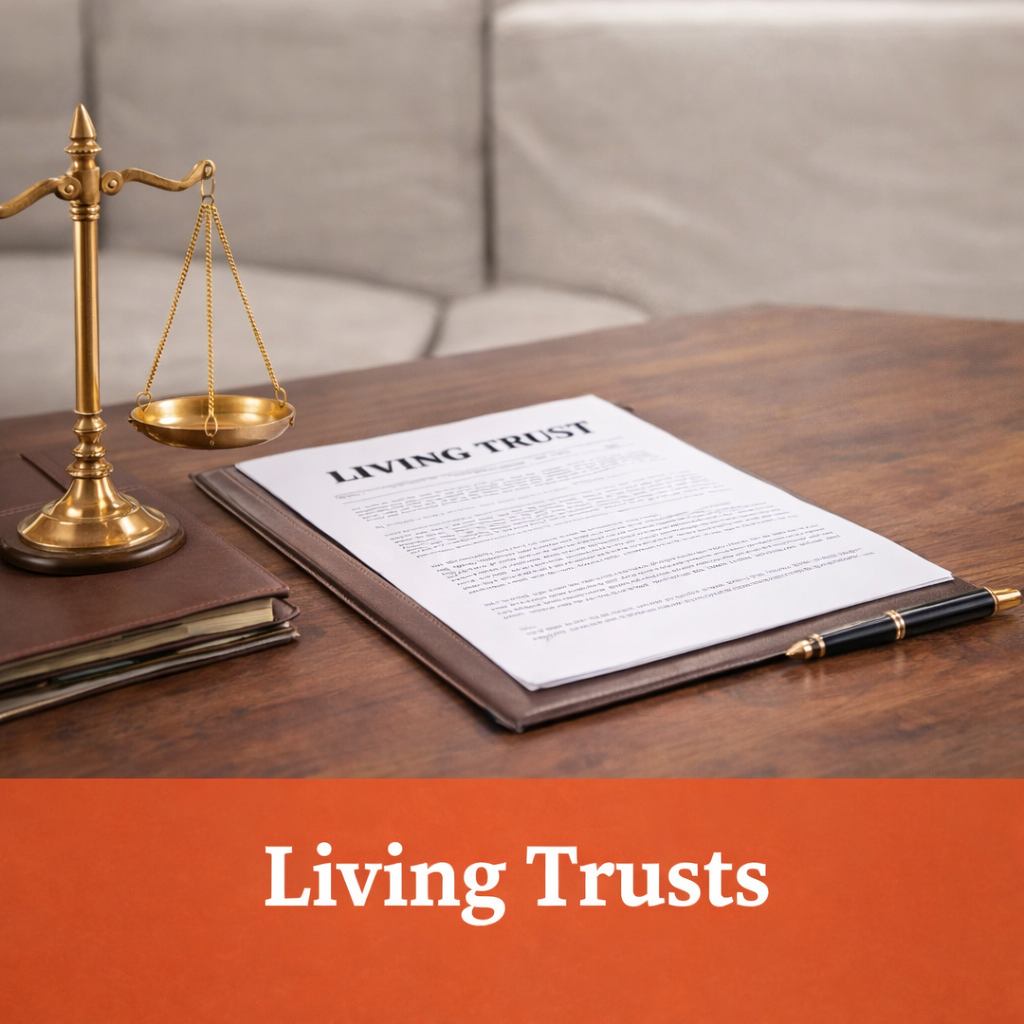
A revocable living trust is one of the most effective tools in Florida estate planning. Unlike a will, a trust does not pass through probate. Assets held in trust transfer directly to beneficiaries according to the trust’s terms, privately and without court involvement.
The grantor (the person who creates the trust) typically serves as the initial trustee, maintaining full control over trust assets during their lifetime. The grantor may amend or revoke the trust at any time while competent. Upon death or incapacity, a successor trustee steps in to manage and distribute assets according to the trust document.
Key advantages of a revocable living trust in Florida include:
- Probate avoidance: Assets held in trust bypass the probate process entirely, saving your family time and court costs.
- Privacy: Wills become public record once filed with the probate court. Trusts do not, keeping your financial affairs and beneficiary choices confidential.
- Incapacity planning: A revocable trust allows your successor trustee to manage your assets if you become incapacitated, without the need for court-ordered guardianship of your property.
- Multi-state property: If you own real estate in more than one state, a trust can avoid the need for ancillary probate proceedings in each state where property is located.
Irrevocable Trusts
Irrevocable trusts serve more specialized purposes and, once established, generally cannot be modified or revoked without beneficiary consent. Despite this limitation, they offer significant advantages in the right circumstances:
- Medicaid planning trusts help seniors qualify for Florida Medicaid coverage of long-term care costs while preserving assets for heirs. Florida’s Medicaid rules impose a look-back period on asset transfers, making early planning essential.
- Asset protection trusts place assets beyond the reach of future creditors, which can be particularly valuable for business owners and professionals with liability exposure.
- Irrevocable life insurance trusts (ILITs) remove life insurance proceeds from the taxable estate, which can be a meaningful strategy for higher-net-worth individuals.
Our Broward County trust attorney evaluates whether an irrevocable trust structure is appropriate and, if so, which type best serves the client’s goals.

Special Needs Trusts
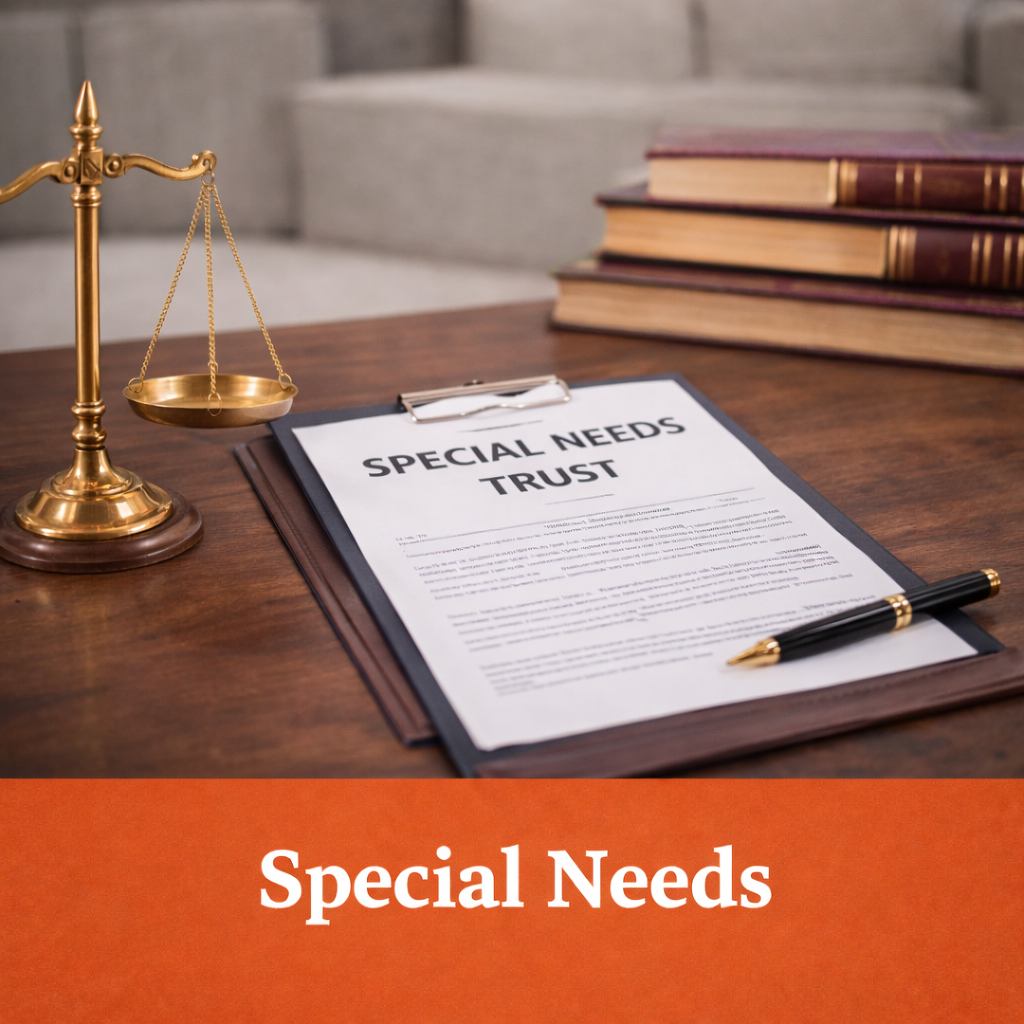
Families with a disabled loved one face unique estate planning challenges that standard wills and trusts do not fully address. Government benefit programs such as Supplemental Security Income (SSI) and Medicaid impose strict asset and income limits. A direct inheritance can disqualify a special needs individual from these programs, potentially eliminating access to care they depend on.
A special needs trust (also called a supplemental needs trust) is designed to hold and manage assets for a disabled beneficiary without affecting eligibility for government benefits. These trusts can fund quality-of-life expenses that public programs do not cover, including education, therapy, recreation, and personal items. A properly drafted special needs trust preserves both the inheritance and the beneficiary’s access to essential benefits.
Our Broward County wills and trusts attorney helps families evaluate whether a special needs trust is appropriate, and drafts the trust to comply with both Florida law and federal benefit program requirements.
Funding Your Trust
A trust only controls assets that have been transferred into it, a process called funding. An unfunded or partially funded trust fails to deliver the probate-avoidance and control benefits it was designed to provide. Our firm assists clients with properly titling real estate, financial accounts, and other assets to ensure their trust functions as intended from the start.

Coordinating Wills and Trusts With Your Broader Estate Plan
Wills and trusts do not function in isolation. Beneficiary designations on retirement accounts, life insurance, and payable-on-death accounts can override what a will or trust says. For an estate plan to work as intended, all components must be reviewed and coordinated together.
We examine each client’s complete financial picture, including account titling, beneficiary designations, and any existing estate planning documents, to ensure every element aligns with their stated objectives.
Why Families Trust Our Wills and Trust Services in Broward County, Florida
Families turn to our estate planning services in Broward County for attentive guidance, clear answers, and lasting peace of mind.
Experience Handling Wills and Trust Attorney Broward County Matters
Clients receive guidance on wills, trusts, estate planning strategies, probate considerations, and Florida legal requirements based on their individual planning needs.
Personalized Estate Planning Strategies
Your estate plan is tailored to your assets, family relationships, goals, and wishes for the future.
Clear Communication and Legal Guidance
Clients receive straightforward explanations, timely answers, and guidance that makes important estate decisions less confusing.
Strong Focus on Asset Protection and Probate Avoidance
Our strategies help protect assets, limit probate involvement, and make transitions easier for loved ones.
Long-Term Support for Estate Plan Updates
Our ongoing legal support helps keep documents aligned with changing assets, laws, relationships, and priorities.
When You Should Update Your Will or Trust in Broward County, Florida
Estate documents should reflect your current life, property, and family needs. In Broward County, regular reviews help ensure your will or trust remains accurate, practical, and aligned with Florida estate planning requirements.
Marriage or Divorce in Broward County, Florida
Marriage or divorce can change beneficiaries, fiduciaries, property rights, and family priorities, making an estate plan review especially important afterward.
Birth or Adoption of a Child in Broward County, Florida
Welcoming a child through birth or adoption often requires naming guardians, updating beneficiaries, and planning financial support for minors properly.
Major Financial Changes in Broward County, Florida
Substantial changes in income, investments, business ownership, or debt may require updated instructions for asset protection and future distributions planning.
Relocation or Property Acquisition in Broward County, Florida
Moving to Florida, buying property, or acquiring out-of-state assets can affect estate administration, titling decisions, and planning needs over time.
Frequently Asked Questions About Wills and Trusts in Broward County, Florida
Florida law does not require a Broward County trust attorney, but legal guidance can help ensure your estate plan meets formal requirements and reflects your wishes.
A will takes effect after death and directs how probate assets should be distributed, while a trust can manage assets during life and after death according to its terms.
A revocable living trust may allow properly funded trust assets to pass to beneficiaries without going through probate, subject to Florida law.
Review your estate plan through an attorney for trust and will in Broward County after major life, family, financial, or legal changes, and consider periodic reviews to keep documents current.
You may generally replace a will or amend or revoke a revocable trust, provided the change follows applicable Florida law and document terms.
Florida’s intestacy laws determine who inherits your probate assets when you die without a valid will.
Estate planning costs vary based on your assets, family circumstances, chosen documents, planning goals, and the attorney’s fee structure.
A wills and trusts lawyer can provide tailored advice, prepare legally sound documents, and help coordinate your plan with Florida estate laws.
Speak With a Wills and Trusts Lawyer in Broward County, Florida Today
Speaking with a wills and trusts lawyer in Broward County can help you build a legally sound estate plan for the people you love. A well-prepared will or trust by an attorney for trust and will in Broward County can protect assets, support your family’s financial future, and provide clear, valid instructions for distribution. Through personalized estate planning guidance, wills, trusts, and related documents can help protect assets, provide clear instructions, and simplify future estate administration for loved ones.
Contact experienced estate planning legal support today in Broward County to create or update your wills and trusts with confidence.