

When Is Probate Required in Florida? Understanding the Exceptions
When Is Probate Required in Florida? Understanding the Exceptions
Introduction
Probate is the legal process used to settle a person’s estate after death. For Florida families, it can determine how property and other assets are passed to heirs. However, probate is not necessary for every estate or asset.
Certain trusts, beneficiary designations, and ownership arrangements may allow assets to pass outside probate. If you are wondering, “when is probate required in Florida?”, this guide explains when probate applies, common exceptions, and key factors families should consider when reviewing an estate.
When Is Probate Required in Florida?
Knowing what assets go through probate in Florida is an important first step in estate planning. Probate is usually triggered by how an asset is titled.
Assets Owned Solely by the Deceased
If a bank account or property is held only in the deceased person’s name, it typically requires probate. This happens when there is no co-owner or named beneficiary attached to the asset.
The court must legally step in to transfer ownership to the right heirs. Without this process, solely owned assets may remain subject to court administration. Proper estate planning can help you preserve these assets for your loved ones.
Real Estate Without a Non-Probate Transfer Arrangement
Real estate often makes up a large part of a family legacy. If a home is solely owned without a specific transfer arrangement, it must go through probate.
A deed without a qualifying non-probate transfer arrangement may leave the property subject to probate. The court must approve the transfer to the new owners. This can delay your family’s ability to sell or manage the home.
Bank and Investment Accounts Without Beneficiaries
Many people forget to update their financial accounts as life changes. Bank accounts, brokerage accounts, and investment portfolios without a named beneficiary may be subject to probate, depending on how the account is owned or titled.
When a sole owner passes away, some accounts may require probate before the assets can be distributed to the appropriate beneficiaries or heirs. The account may require court involvement before funds can be distributed. To secure these funds, checking your designations is essential.
Personal Property Without a Transfer Mechanism
Valuable personal property usually lacks a formal title or deed. Items like jewelry, art collections, or antiques held solely by the deceased are subject to probate.
Because these items do not have a built-in transfer mechanism, the court oversees their distribution. This ensures the items are given to the rightful heirs based on a will or state law. Properly accounting for them helps protect your family legacy.
Assets That Were Not Properly Transferred to a Trust
Creating a trust is a powerful way to protect your assets. However, a trust only controls the property that is actually placed inside it.
If you forget to retitle an asset into the trust, that asset remains in your individual name. As a result, it will have to go through the probate process. Funding your trust correctly helps preserve your family’s peace of mind.
When Is Probate Not Required in Florida?
Families often want to know about assets that avoid probate in Florida. Understanding how to avoid probate in Florida brings great peace of mind.
Assets Held in a Living Trust
A living trust is one of the best tools for planning. When you transfer property into a trust, the trust becomes the legal owner.
Because you no longer own the asset individually, it does not go through probate. A successor trustee can easily step in to manage and distribute the trust property. This strategy helps secure your wealth and keeps your family’s affairs private.
Jointly Owned Assets With Rights of Survivorship
Co-owning property is a common way families simplify their affairs. If an asset is held as joint tenants with rights of survivorship, probate is skipped.
When one owner passes away, their share automatically transfers to the surviving owner. This applies to real estate, bank accounts, and other joint investments. It is a seamless way to protect your spouse or loved ones from legal delays.
Life Insurance With Named Beneficiaries
Life insurance provides essential financial support during difficult times. If your policy has a valid, living beneficiary named, the payout avoids probate entirely.
The insurance company pays the funds directly to your chosen loved ones. However, if you name your estate as the beneficiary, the funds may become part of the probate process. Keeping beneficiaries updated is crucial to secure your family’s immediate financial needs.
Retirement Accounts With Named Beneficiaries
IRAs, 401(k)s, and other retirement accounts usually have built-in transfer options. By naming a specific beneficiary on these accounts, the funds transfer directly to them outside of probate.
This allows your heirs to access the money much faster. Solely titled retirement accounts without a named beneficiary may be subject to probate. Regular check-ins on these accounts help preserve your hard-earned savings for the next generation.
Payable-on-Death Accounts
You can add a Payable-on-Death (POD) or Transfer-on-Death (TOD) designation to most bank accounts. This step can allow the account balance to transfer directly to the named beneficiary outside of probate.
The financial institution may require documents before releasing funds to the named beneficiary. The funds do not pass through probate court at all. It’s an effective way to plan and avoid unnecessary legal steps.
Does a Will or Living Trust Avoid Probate in Florida?
Many people ask, “Do all estates have to go through probate in Florida?” The answer depends heavily on your estate planning documents. Understanding Florida probate requirements can also help clarify whether a will or trust affects the need for probate.
A common misconception is that having a last will keeps you out of court. A will provides instructions for distributing probate assets through the court-supervised probate process. Assets governed by a will must still go through the probate process.
On the other hand, a properly funded living trust does avoid probate. When assets are owned by the trust, the court does not need to get involved. A trust allows you to preserve your privacy and distribute assets seamlessly.
Florida Probate Exceptions and Special Considerations
Under Florida probate law, there are specific exceptions designed to help smaller estates. Florida offers a streamlined process called Summary Administration.
This is available if the total estate value subject to probate is less than $75,000. It is also an option if the deceased passed away more than two years ago. This shorter process saves families time and legal fees.
Another exception is Disposition Without Administration. This may apply when estate assets are worth less than qualifying final expenses. In these cases, someone who paid for the funeral can be reimbursed from the estate’s assets without formal probate. Understanding these special rules helps you find the most efficient path forward to protect your loved ones.
How Long Does Probate Take in Florida?
The length of the Florida probate process varies based on the estate’s complexity. Summary administration can sometimes be completed in a matter of weeks when requirements are met.
However, a Formal Administration is much more involved and takes longer. Formal probate usually takes anywhere from six months to a year. Planning helps minimize these delays and provides peace of mind for your family during a difficult time.
How Much Does Probate Cost in Florida?
Probate costs depend on the size and nature of the estate. Common expenses include filing fees, attorney fees, and costs for the personal representative.
These costs can quickly add up and reduce your family legacy. By taking steps to avoid probate, you can preserve more of your wealth. A well-structured estate plan can help your assets pass to the intended beneficiaries while reducing potential complications during the probate process.
Common Probate Mistakes Florida Families Should Avoid
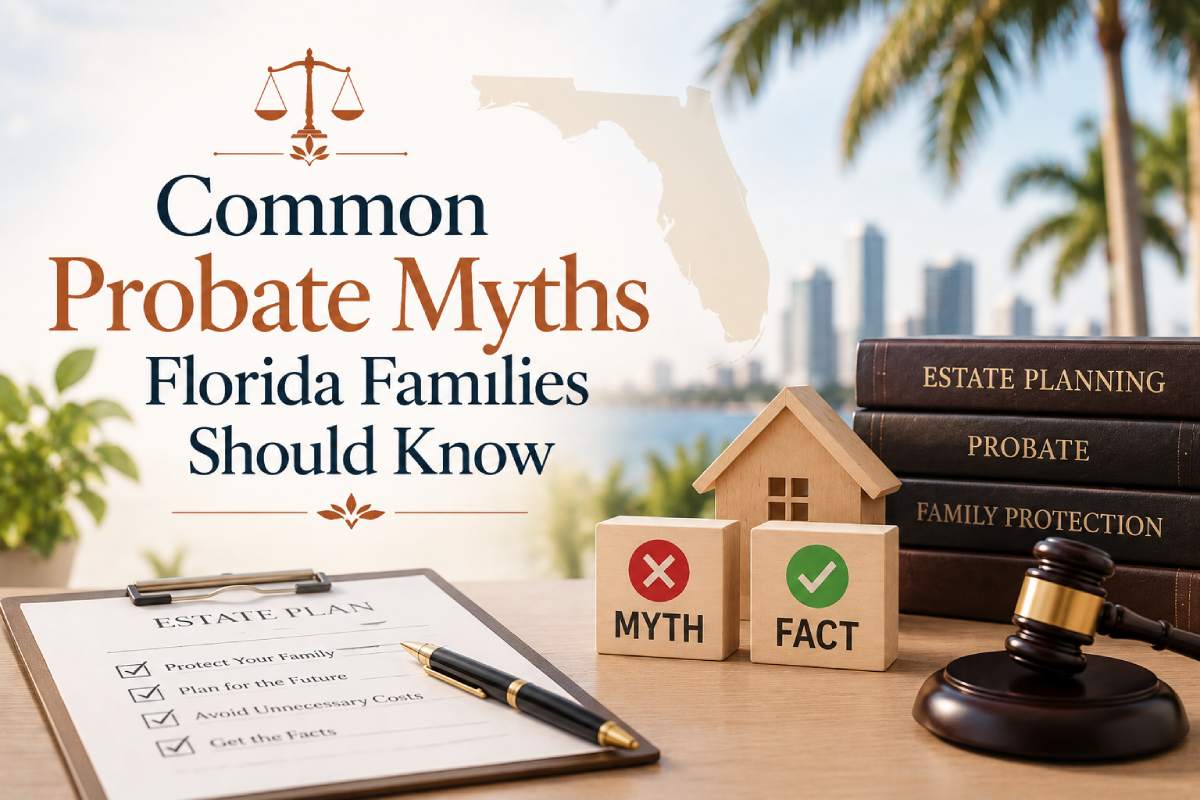
One of the biggest mistakes families make is failing to update beneficiary designations after major life events. Another error is assuming a will keeps an estate out of court, which is one of the most common probate myths in Florida.
Families also frequently forget to fund their living trusts. A trust may not help assets avoid probate if those assets have not been properly transferred into it. Finally, many people wait too long to begin their future planning. Taking action early helps you avoid unnecessary stress and secure your assets.
How to Determine If Probate Is Required
To figure out when is a probate necessary in Florida, you must review how each asset is titled. Start by making a list of everything the deceased owned.
Check for joint ownership, trust funding, and designated beneficiaries. If an asset is in the deceased’s individual name with no beneficiary, probate is likely needed. Consulting with a professional can bring clarity and help you navigate the next steps safely.
Frequently Asked Questions About Florida Probate
Is probate always required in Florida?
No. It depends on asset ownership and whether beneficiaries are named.
What assets do not go through probate in Florida?
Trust assets, jointly owned property, and accounts with named beneficiaries may avoid probate.
What assets are subject to probate in Florida?
Assets owned solely by the deceased without a beneficiary generally require probate.
Does a will have to go through probate in Florida?
Yes. A will is filed with the court and generally does not avoid probate by itself.
Does a house have to go through probate in Florida?
It depends on ownership. Solely owned property may require probate, while jointly owned or trust property may avoid it.
How much does probate cost in Florida?
Costs vary and may include court filing fees, attorney fees, and personal representative fees.
Conclusion
Understanding when is probate required in Florida helps you make informed choices about your future. Assets owned individually usually go through court, while trusts and beneficiary designations help avoid it.
Proper estate planning is the key to preserving your family legacy. If you need help securing your assets, reach out to a compassionate South Florida law firm today and protect your loved ones’ future.